
We buy apartment buildings below replacement cost from motivated sellers, fix them up, and aim to refinance and return all or part of investor capital in about 3 to 5 years, then hold for the long term for cashflow, growth and tax advantages.
Earning money and growing money are two different jobs. The cash you have piled up faces three problems most people do not talk about.
Prices keep rising, so the same dollars buy less over time. Sitting still means slowly falling behind.
Big ups and downs. You can wake up to find a chunk of your savings gone, with no control over it.
Real estate works, but being a landlord means tenants, repairs and late night phone calls.
What that means for you, in plain terms.
Buildings run by professionals that can pay you. No tenants, no 3 a.m. phone calls.
The target is to refinance and return all or part of your money in 3 to 5 years, while you still own the asset.
Depreciation and a simple K-1 for each Series can help you keep more of what you earn.
Goals and potential benefits, not guarantees. Tax outcomes vary by investor; talk to your own tax advisor.
For years money was almost free, and investors bought apartments with cheap short term loans. Then rates jumped. Those loans are coming due and many owners cannot pay them off or get new ones, so some have to sell fast.
Sources: Federal Reserve (Fed Funds target, 2022 to 2023); Green Street Commercial Property Price Index, apartment sector versus 2022 peak; MMG Capital and S&P Global estimates of U.S. commercial real estate debt maturing through 2027; KBRA analysis of appraisals versus origination values, 2024. Figures approximate and subject to revision.
This is where the people and the jobs keep coming, and it is also where distressed loans are piling up fastest. The demand is not the problem. The debt is. Other U.S. markets are considered deal by deal.
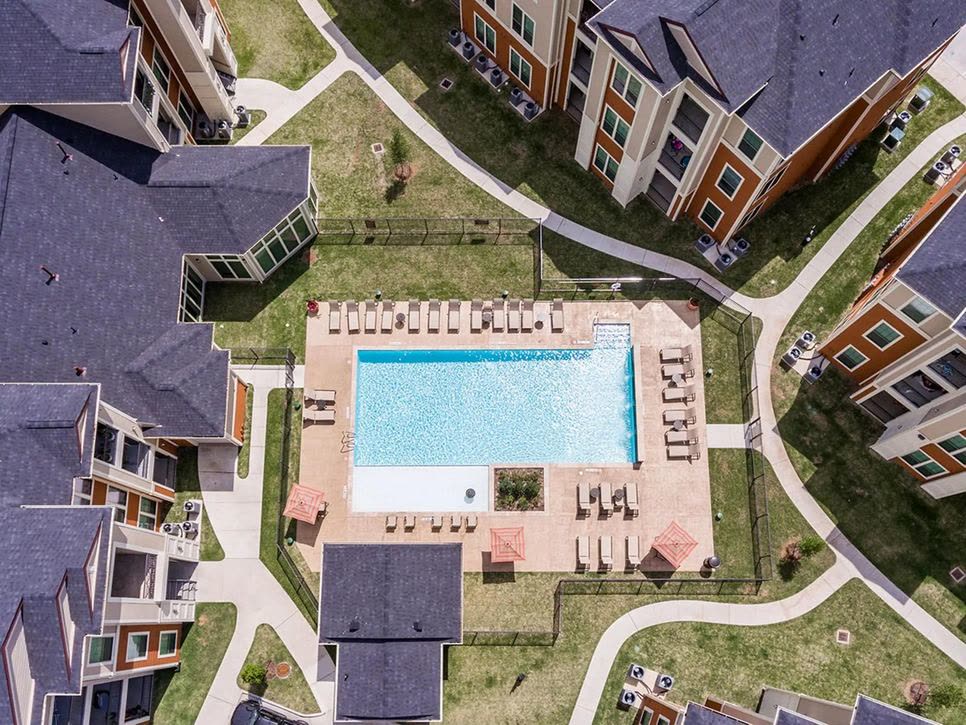
Buy for less than it costs to build. That low price is the cushion.
Improve the building and raise the rents, which raises the property value.
In as little as 3 to 5 years, take a new loan and return all or part of investor capital.
Hold for the long term for cash flow, growth and tax benefits, or sell when conditions are right.
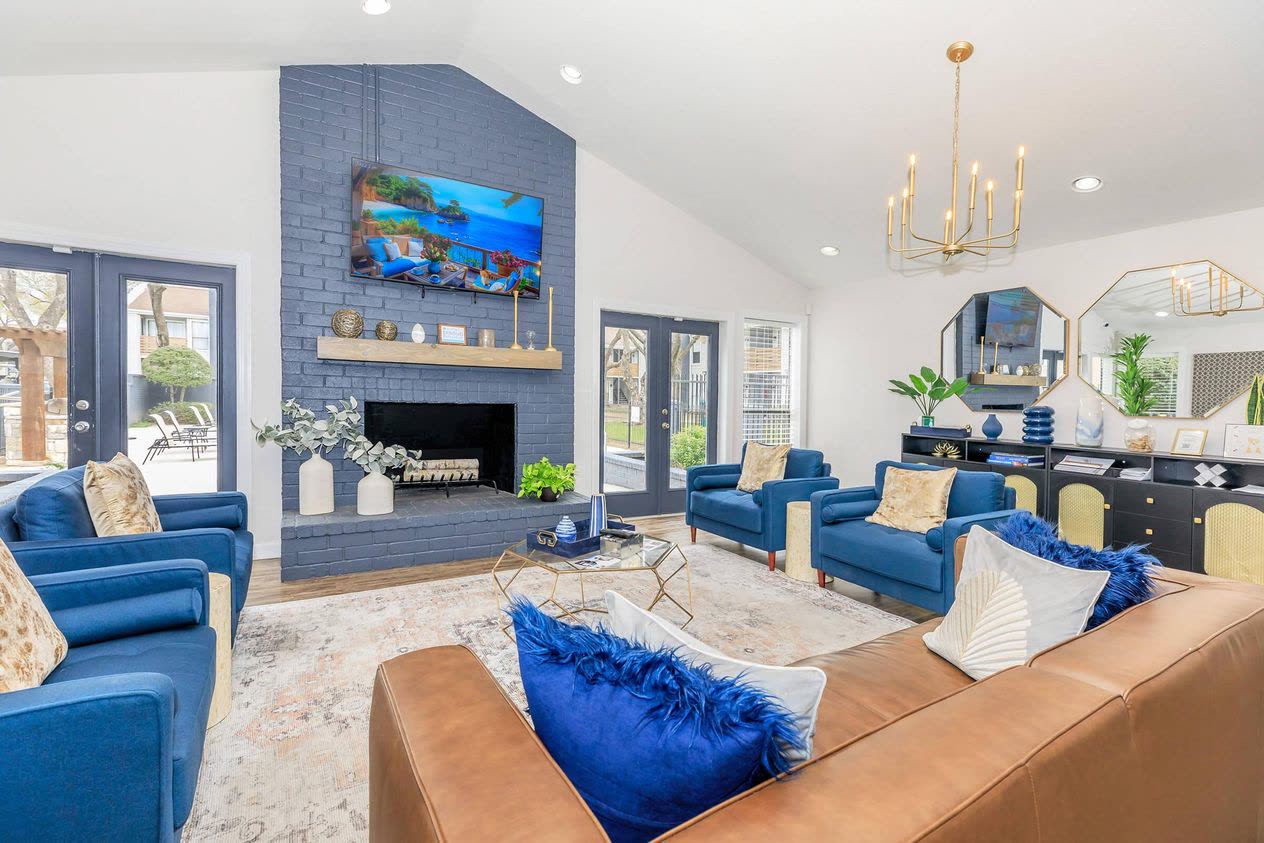
The owner was in trouble. Rates spiked, they ran out of money, and the deal, on the market near $16M, kept falling apart. We bought it for $11.1M and spent about $2M fixing it up. Then we refinanced, began returning capital to investors, and we still own it today.
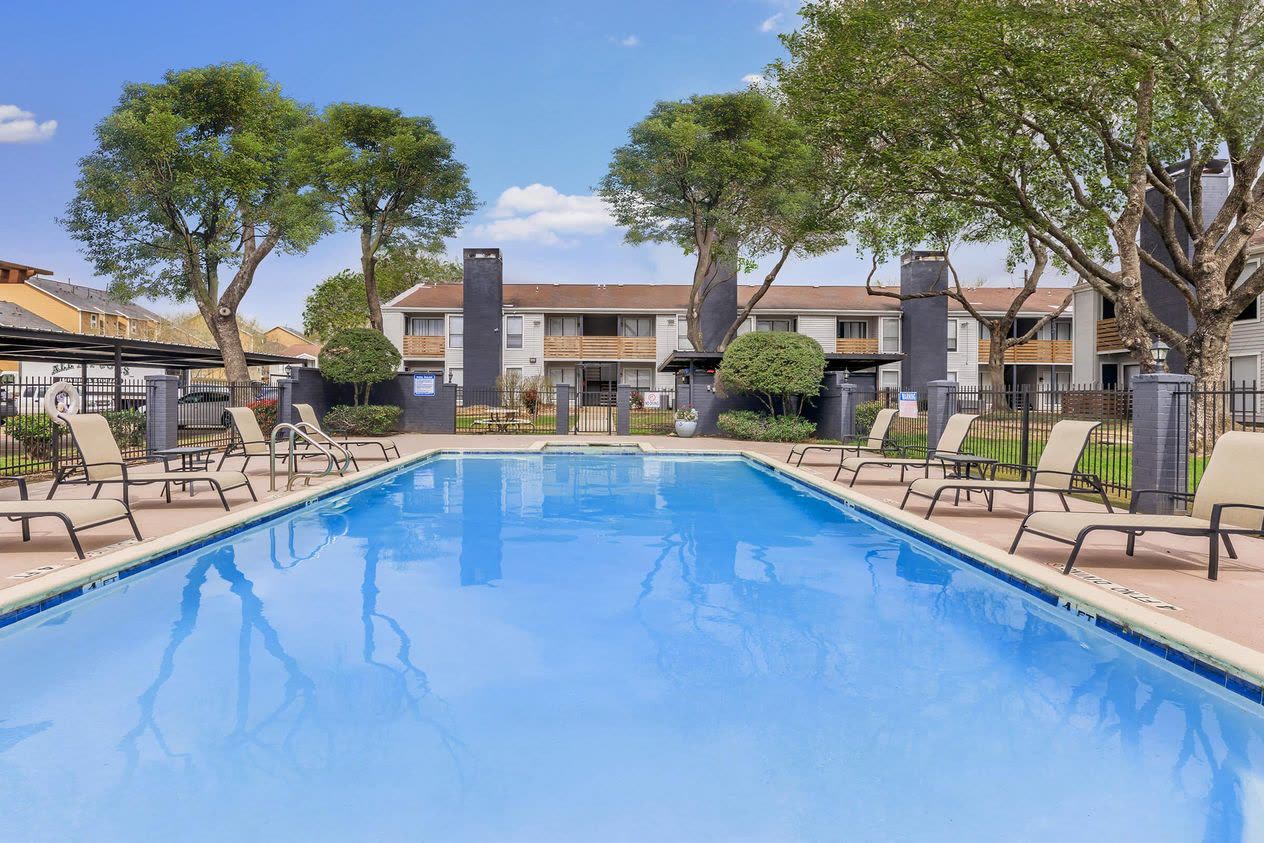
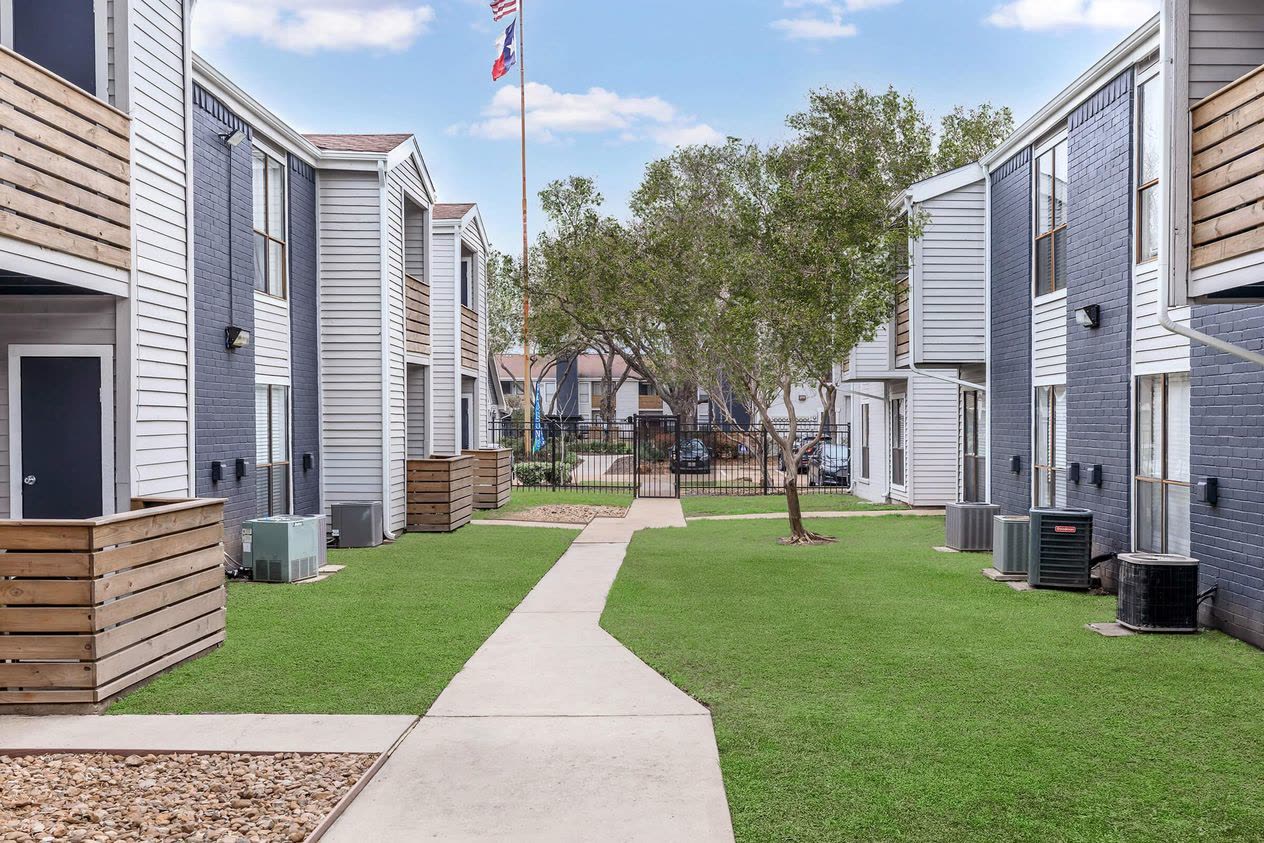
Value increase over our all-in cost, in 2 years
Higher rents since purchase
Purchase price, against a $16M asking price
Source: M1 Real Wealth Fund LP. Reflects a single completed transaction. Appraised value is based on a third-party appraisal and does not reflect a sale. Past performance is not indicative of, and provides no guarantee of, future results. References to “we” in this section refer to an affiliated syndicate in which both M1 principals participated in management.

Nearly 20 years in private capital, raising multiple nine figures and co-managing several equity funds. He leads the Fund's capital strategy and investor relations, and has helped more than 1,000 operators build their capital raising systems.

39 years in apartments with $3.5B+ in deals. Former President of The Lyon Group, and an advisor to the U.S. government during past housing crises. He has bought, operated and sold through every market cycle since the 1980s.
Figures reflect the principals' combined career track record across prior firms, funds, affiliates and transactions in various capacities, not the results of any single fund or of an investment in the current offering.
Opportunities go to a limited group of accredited investors, and waitlist members see them first. Joining requires no commitment. It puts you at the front of the line when the next Series opens.